Vinyl or cedar siding after a storm: how to choose what goes back on
Replacing storm-damaged siding is the best moment to ask what you actually want your house to look like.
October 16, 2026 · 4 min read
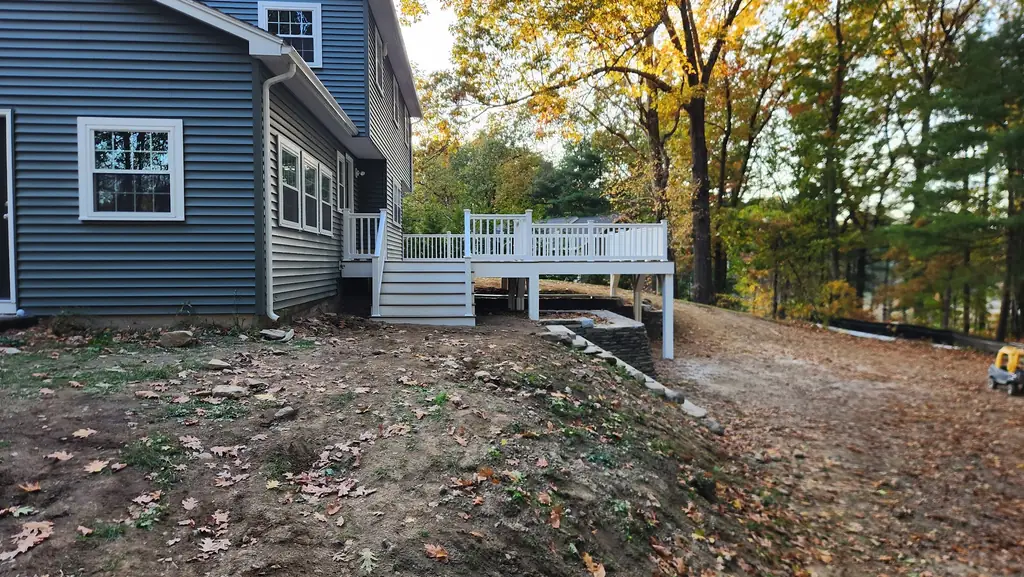
A branch comes through in a nor'easter, a section of siding peels off in a gust, or a small fire leaves a scorched patch on an outside wall. Once the shock wears off, a bigger question appears. Do you match what was there, or is this the moment to change it? In our area, the choice is often between vinyl and cedarwood. Both are used on homes in Leominster and nearby towns, and each comes with real tradeoffs. Here is how to think about it.
Start by finding the damage you cannot see
Before you pick a material, make sure you know what is behind the siding. Water that gets in through a cracked panel can soak the sheathing, the insulation and the framing without leaving much evidence on the surface. A decent repair starts with opening up the damaged area, checking for moisture and rot, and drying or replacing anything that is compromised. Storm damage and fire damage both deserve this step, because heat and water can weaken materials that still look fine.
If you are filing an insurance claim, take photographs before anything is moved and keep the old material until your adjuster has seen it. Coverage terms are specific to your policy, so read yours or ask your agent directly.
How vinyl siding behaves
- It comes in many colors and profiles, and the color runs all the way through the panel
- It does not need paint, which is a big part of its appeal
- Individual panels can be replaced without redoing a whole wall, if a matching color is available
- It can crack in extreme cold and warp or distort if exposed to heavy heat, such as from a nearby grill
- It is not a structural layer, so the wall behind it has to be sound and properly flashed
Color matching is the practical headache with vinyl. Siding fades over the years, and a new panel next to a twenty-year-old one may not blend in. Sometimes the cleanest answer is to replace a whole elevation instead of patching a single board.
How cedarwood behaves
- It has a natural look that suits older and more traditional homes
- It can be stained or painted, and refinished again later
- It takes the right finish and regular care, or it will weather and eventually rot
- It can be repaired board by board, with new pieces blended into the surrounding finish
- It often needs more attention at joints, corners and the bottom edge where water collects
Cedar rewards a careful installation. Good flashing, a clear path for moisture to escape, and a quality finish applied on all faces of the board are what separate a cedar wall that lasts from one that struggles.
Questions that help you decide
- What is already on the house? Switching materials on one wall can look odd unless it is planned.
- How much maintenance are you willing to take on in the years ahead?
- Do you care about matching the neighborhood's character or the house's age?
- Is the damage limited to one wall, or is a wider replacement making more sense?
- Are the soffits, fascia and gutters on that wall also damaged?
That last question comes up often. Storm damage rarely stops neatly at the siding. Gutters get pulled, fascia gets cracked, and soffits let in water. If the trim is compromised, it makes sense to address the whole edge of the roof and wall together.
Fire and smoke damage
After a fire, even a small one, siding can look worse than it really is or better than it really is. Heat can warp panels and char the sheathing underneath. Soot and smoke can stain material that is otherwise sound. A careful look at what is behind the surface is the way to know which it is.
Quality of installation counts as much as the product
A well-chosen siding installed badly will fail, and an ordinary siding installed well will often outlast expectations. Look for a contractor who is licensed and insured, uses quality building products, and treats flashing, housewrap and trim details as seriously as the visible panels.
How JMP handles it
JMP Construction Corp. of Leominster works with vinyl and cedarwood siding, handles storm and fire damage repairs, and also takes care of gutters, soffits and fascia, so the whole wall can be sorted in one conversation. The company works with CertainTeed products among others, and the owner is present at the job sites. If your house took a hit, call (978) 235-4746 for a free estimate and a look at the damage with you. You can see more on the siding page of this site, or write through the contact page.
JMP Construction Corp. of Leominster, (978) 235-4746
Call (978) 235-4746More articles
Roof repair or full tear-off: how to decide before winter hits
A leak does not always mean a new roof, and a new roof is not always overkill. Here is how to sort one from the other.
Is your old deck safe? What to check before you stain it again
Most deck failures start somewhere you can't easily see. Here is where to look, and when to call someone in.